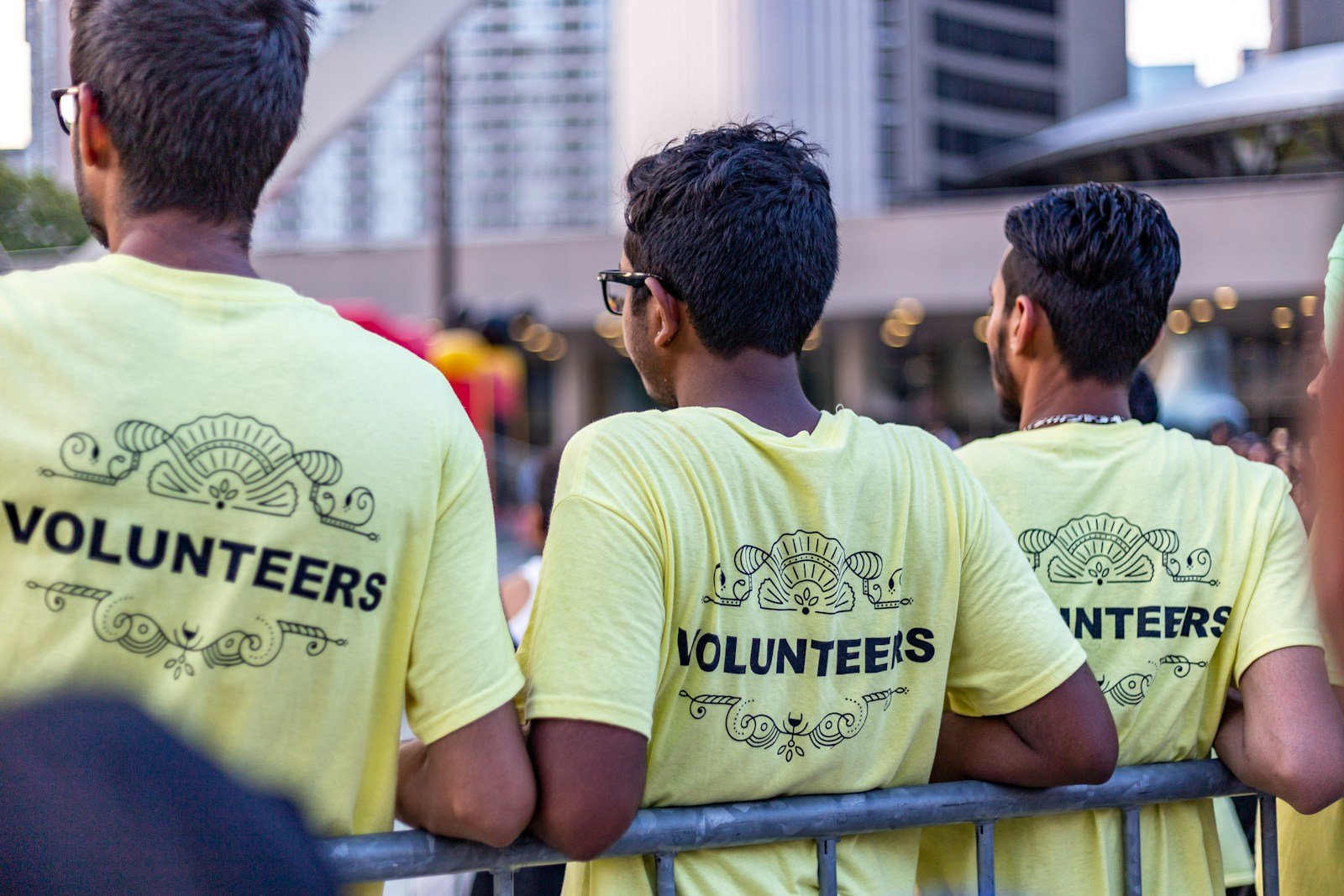
It's Thursday night, and your volunteer coordinator is scrolling up through four hundred unread messages in the Messenger group chat, trying to work out who actually said yes to Saturday's feeding program. Ate Malou committed, then someone changed the call time, then a photo of a birthday cake buried the whole thread. By the time the list is pieced together it's almost midnight, and on Saturday two of the six "confirmed" volunteers never show — they swear they never saw the message. The heart to serve was there. What failed was the way you asked people to say yes.
The Group Chat Was Never Built to Be a Schedule
For most Filipino nonprofits, the volunteer roster lives in exactly one place: a Messenger or Viber group chat. It feels free and familiar, so it's where everything starts. But a group chat is a river, not a ledger — messages flow past and disappear, and there is no single view of who is doing what, when. A "sabi ko na po ako" from three days ago is gone the moment the next thread starts. Nobody can see the full picture, so the coordinator becomes the full picture, holding it all in their head and their scroll history. That works until the day they're sick, on leave, or simply overwhelmed — and then the whole operation stalls, because the schedule was never written down anywhere a volunteer could check on their own.
What the Chaos Quietly Costs You
The cost isn't just a messy Thursday night. When there's no clear, self-serve way to sign up, willing people slip through the cracks. A first-timer who messaged your Facebook Page asking how to help gets a reply two weeks later, if at all, and by then their momentum is gone. Regular volunteers burn out because the same reliable few keep getting tapped while newcomers can't find a door in. And your coordinator — often a volunteer themselves — spends their energy chasing confirmations instead of leading the mission. It's the same hidden tax that comes from running a nonprofit out of scattered spreadsheets and chat threads: the work still gets done, but it costs far more effort and goodwill than it should, and it doesn't scale past the people who happen to remember everything.
How to Set Up Volunteer Sign-Up That Actually Holds
You don't need expensive software to fix this. You need one place people can go to say yes and see what's needed — and a few simple habits around it. Here's a setup a small organization can put in place this month:
- Make one public sign-up page. A short form on your website — name, contact number, which activity, which date — turns "message us to volunteer" into a real front door that works even while you sleep. Every response lands in one organized list instead of a scrolling chat.
- Publish the schedule where anyone can check it. A simple page or shared calendar showing the next few activities and how many hands each one needs lets volunteers pick a slot themselves, no back-and-forth required.
- Send an automatic confirmation and a reminder. A short "Salamat, you're in for Saturday" reply the moment someone signs up — and a nudge the day before — cuts no-shows dramatically, because nobody has to dig through a thread to remember.
- Keep one master list of your volunteers. Names, contact numbers, skills, and past activities in a single place means you can reach the right people quickly and thank them properly — the foundation of a community that keeps coming back.
- Group the chat channels around this, not instead of it. Keep Viber for day-of coordination and encouragement, but let the sign-up page and schedule be the source of truth. The chat cheers; the system remembers.
None of this replaces the warmth that makes people want to serve with you — it protects it. When the mechanics of signing up are clear and dependable, volunteers trust that their yes matters and that they won't be forgotten, and that same reliability is what earns the confidence of donors too. If building the sign-up page, the schedule, and the reminders sounds like one more thing your small team can't take on, that's exactly the part we're glad to carry: we help Philippine nonprofits set up simple volunteer and donor tools as part of their website and digital foundation, so your people can spend their energy on the mission instead of the group chat.
Talk to Us About Volunteer Tools for Your Nonprofit →